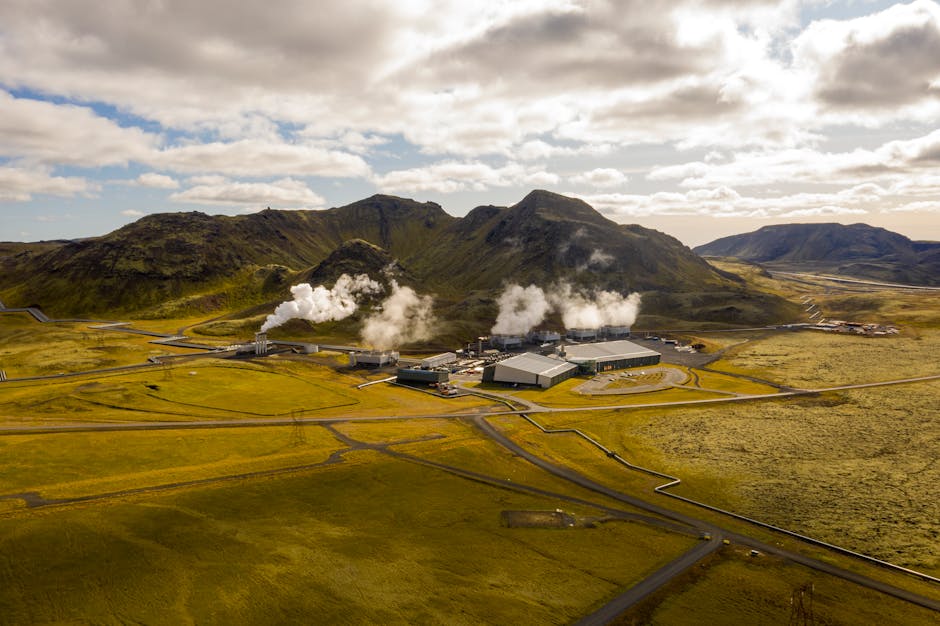
Geothermal Power Plant Working Cycle
Understanding the Geothermal Power Plant Working Cycle
Geothermal energy is a sustainable and renewable energy source that utilizes the heat from the Earth’s interior to generate electricity. The geothermal power plant working cycle plays a crucial role in harnessing this energy efficiently. This article will explore the essential components and processes involved in a geothermal power plant’s operation, targeting engineers and professionals in the field.
Key Components of a Geothermal Power Plant
A geothermal power plant typically includes the following key components:
- Heat Source: The source of geothermal energy comes from the Earth’s core, where heat is generated by the decay of radioactive materials.
- Production Wells: These wells are drilled into geothermal reservoirs to extract hot water or steam.
- Power Generation Unit: This component converts thermal energy into mechanical energy, usually via steam turbines.
- Cooling System: After the steam passes through the turbine, it needs to be cooled and condensed back into water.
- Injection Wells: These are used to reinject the cooled water back into the geothermal reservoir to maintain pressure and sustainability.
The Working Cycle
The working cycle of a geothermal power plant can be divided into several key stages:
1. Resource Extraction
The cycle begins with the drilling of production wells into geothermal reservoirs. These reservoirs contain hot water or steam trapped beneath the Earth’s surface. Engineers utilize advanced drilling technologies to access these resources efficiently.
2. Energy Conversion
Once the hot steam or water is extracted, it is directed to the power generation unit. Here, the thermal energy is converted into mechanical energy. The high-pressure steam drives a turbine connected to a generator. The conversion process can be summarized as follows:
- Hot steam enters the turbine, causing it to spin.
- The turbine is connected to a generator that converts mechanical energy into electrical energy.
- Electricity is then transmitted to the power grid for distribution.
3. Cooling Process
After passing through the turbine, the steam loses pressure and temperature. It needs to be cooled and condensed back into water for reuse. This is achieved using a cooling system, which may involve cooling towers or heat exchangers. The cooling process is crucial for maximizing the efficiency of the cycle.
4. Re-injection
The cooled water, now at a lower temperature and pressure, is pumped back into the geothermal reservoir through injection wells. This step is vital for maintaining the sustainability of the geothermal reservoir. By re-injecting the water, thermal energy is preserved, and pressure levels in the reservoir are balanced, ensuring continuous energy production.
Types of Geothermal Power Plants
There are three main types of geothermal power plants, each with unique working cycles:
- Dry Steam Plants: Use steam directly from the geothermal reservoir to turn the turbines.
- Flash Steam Plants: Extract high-pressure hot water and allow it to ‘flash’ into steam as it moves to lower pressure.
- Binary Cycle Plants: Transfer heat from geothermal water to another fluid with a lower boiling point, which vaporizes and drives the turbine.
Conclusion
The geothermal power plant working cycle is a sophisticated yet efficient system that harnesses the Earth’s natural heat for sustainable energy. Understanding the components and processes involved is essential for engineers looking to innovate in the renewable energy sector. As the demand for green energy solutions continues to grow, geothermal power presents a viable option for reducing carbon emissions and promoting energy independence.