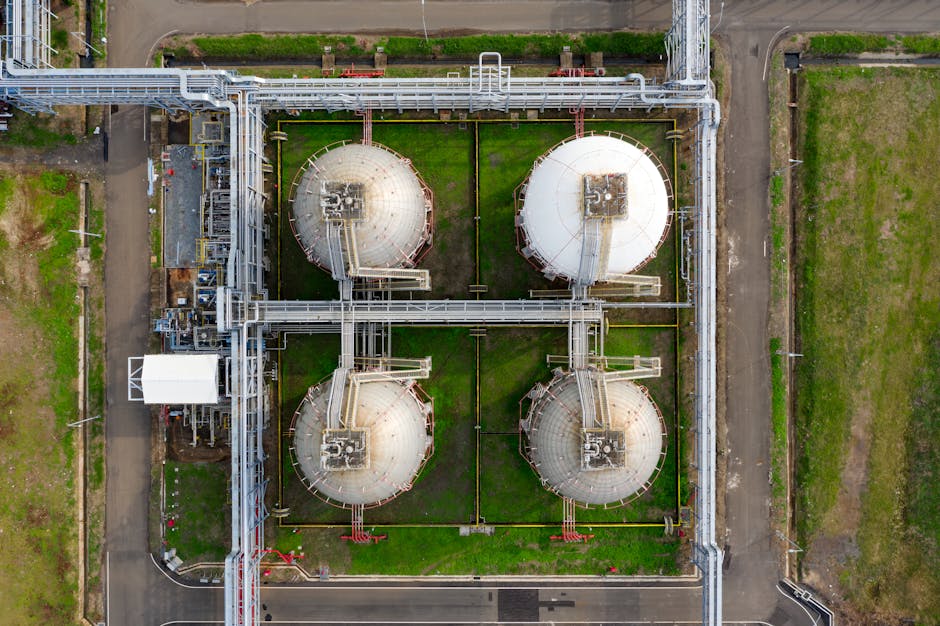
Thermal Energy Storage Systems
Understanding Thermal Energy Storage Systems
Thermal Energy Storage (TES) systems play a crucial role in enhancing energy efficiency and sustainability in various applications, including power generation, industrial processes, and district heating. By storing excess thermal energy, TES systems can balance supply and demand, reduce peak loads, and increase the overall reliability of energy systems.
What is Thermal Energy Storage?
Thermal Energy Storage refers to the process of storing thermal energy for later use. This can be accomplished through various methods, allowing energy to be stored in the form of sensible heat, latent heat, or thermochemical energy. The primary goal is to decouple energy consumption from its production, which is particularly important in renewable energy systems.
Types of Thermal Energy Storage Systems
There are three main types of thermal energy storage systems:
- Sensible Heat Storage: This method involves storing thermal energy by raising the temperature of a solid or liquid material. Common materials include water, sand, and rocks.
- Latent Heat Storage: Latent heat storage utilizes phase change materials (PCMs) that absorb or release energy during phase transitions, such as melting or solidifying. This method is advantageous due to its high energy storage density.
- Thermochemical Storage: This technique involves reversible chemical reactions to store and release thermal energy. Thermochemical storage can achieve very high energy densities and is ideal for long-term storage applications.
Applications of Thermal Energy Storage
Thermal Energy Storage systems are utilized across various sectors, including:
- Renewable Energy Integration: TES systems are vital in solar thermal power plants, where they store excess solar energy for use during cloudy days or at night.
- District Heating: In district heating systems, TES can store heat generated from combined heat and power (CHP) plants, enabling efficient heat distribution to residential and commercial buildings.
- Industrial Processes: Many industrial processes require a consistent supply of heat. TES can help manage energy loads and ensure that operations remain uninterrupted.
- Building Heating and Cooling: TES systems can enhance the efficiency of heating, ventilation, and air conditioning (HVAC) systems by storing energy when demand is low and releasing it when demand peaks.
Benefits of Thermal Energy Storage
Implementing thermal energy storage systems offers several key benefits:
- Energy Efficiency: By storing excess energy, TES systems reduce waste and optimize energy usage.
- Cost Savings: TES can lower energy costs by shifting energy consumption from peak to off-peak hours, taking advantage of lower electricity prices.
- Grid Stability: TES contributes to grid reliability by providing additional capacity during peak demand periods.
- Environmental Impact: Incorporating TES systems supports the use of renewable energy sources, thereby reducing greenhouse gas emissions and fossil fuel consumption.
Challenges and Considerations
While there are numerous advantages to thermal energy storage, several challenges must be considered:
- Initial Costs: The initial investment for TES systems can be significant, depending on the technology and scale of the project.
- Material Selection: Selecting appropriate materials for thermal storage is critical, as it impacts efficiency, cost, and system durability.
- Integration with Existing Systems: Integrating TES with current energy systems can be complex, requiring careful planning and design.
The Future of Thermal Energy Storage
As the demand for sustainable energy solutions continues to grow, the role of thermal energy storage systems is expected to expand. Advances in materials science, thermodynamic modeling, and system integration will enhance the efficiency and affordability of TES technologies. Engineers and researchers are actively exploring innovative approaches to further improve the effectiveness of thermal energy storage, making it an area rich with potential for future development.
In conclusion, Thermal Energy Storage Systems represent a vital component of modern energy infrastructure. By understanding their principles, applications, and benefits, engineers can contribute to the creation of more sustainable and efficient energy systems.