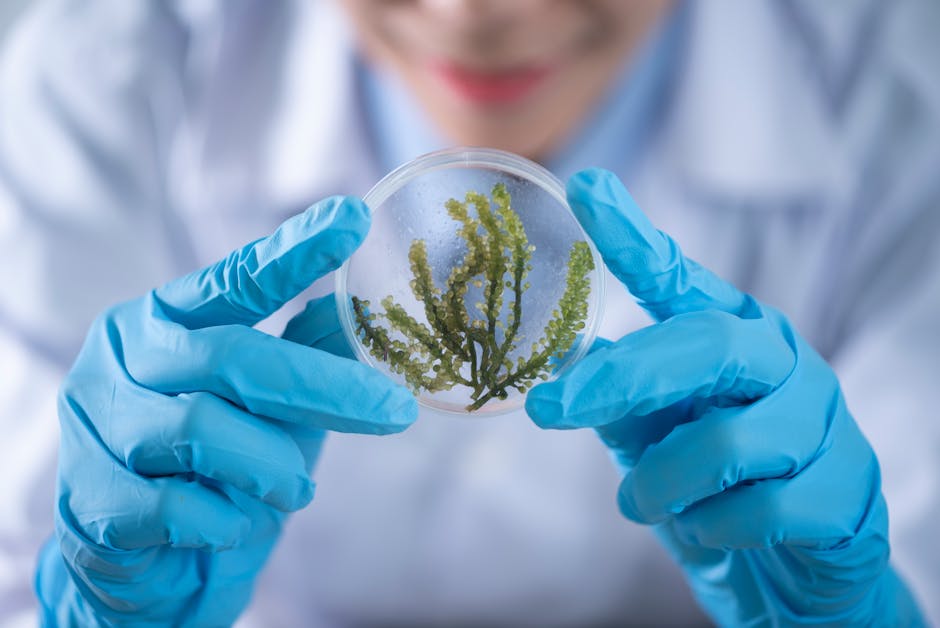
Bioenergy from Algae Biomass
Bioenergy from Algae Biomass
As the global demand for renewable energy sources continues to rise, bioenergy from algae biomass has emerged as a promising alternative. Algae are fast-growing microorganisms that can convert sunlight into energy through photosynthesis. This article explores the potential of algae biomass as a sustainable energy source, its advantages, and the engineering challenges associated with its commercialization.
Understanding Algae Biomass
Algae are classified into two main groups: microalgae and macroalgae. Microalgae are single-celled organisms that can be found in both freshwater and marine environments, while macroalgae, commonly known as seaweeds, are larger and multicellular. The key to utilizing algae for bioenergy lies in their biomass, which contains significant amounts of lipids, carbohydrates, and proteins.
Advantages of Algae Biomass
- High Yield: Algae can produce significantly higher biomass per acre compared to traditional crops. Some microalgae species can double their biomass in a matter of hours, making them a highly efficient feedstock.
- Carbon Dioxide Utilization: Algae absorb CO2 during photosynthesis, which can help mitigate greenhouse gas emissions when grown in proximity to industrial facilities.
- Versatile Applications: Algae biomass can be processed into various forms of biofuels, including biodiesel, bioethanol, and biogas, along with valuable co-products such as animal feed and fertilizers.
- Minimal Land Requirements: Algae can be cultivated on non-arable land and in saline water, reducing competition with food crops for land and freshwater resources.
Engineering Processes for Algae Cultivation
The cultivation and processing of algae biomass involve several engineering processes:
- Photobioreactors: These closed systems provide optimal growth conditions for microalgae by controlling factors such as light, temperature, and nutrient supply. They are designed to maximize biomass production while minimizing contamination.
- Open Pond Systems: Utilizing natural sunlight, open ponds are a cost-effective method for large-scale algae cultivation. However, they are more susceptible to environmental fluctuations and contamination.
- Harvesting Techniques: After cultivation, algae must be harvested and processed. Techniques such as centrifugation, flocculation, and filtration are used to concentrate the biomass for further processing.
- Biomass Conversion: Algae biomass can be converted into biofuels through various methods, including transesterification for biodiesel production and fermentation for bioethanol.
Challenges in Algae Biomass Utilization
Despite its potential, the commercialization of algae biomass faces several engineering challenges:
- Cost-Effectiveness: The high costs associated with algae cultivation, harvesting, and processing need to be reduced to compete with fossil fuels and other renewable energy sources.
- Scalability: Developing scalable cultivation systems that can produce biomass efficiently at a large scale remains a significant challenge.
- Technological Advancements: Continued research and development are necessary to improve existing technologies and develop new methods for maximizing yield and efficiency.
Future Outlook
The future of bioenergy from algae biomass looks promising as advancements in biotechnology and engineering continue to evolve. Innovations in genetic engineering, metabolic engineering, and system design will likely enhance the efficiency of algae cultivation and biomass conversion processes. As engineers and researchers collaborate to overcome existing challenges, algae biomass could play a crucial role in the transition to a sustainable energy future.