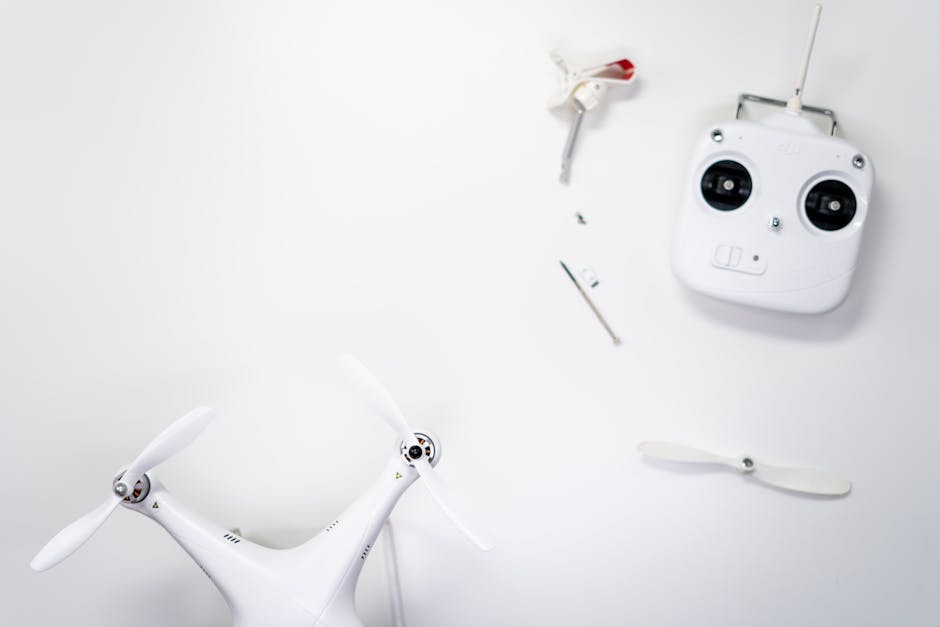
Design of FPV Drone Propellers
Design of FPV Drone Propellers
First Person View (FPV) drones have become increasingly popular in various applications, ranging from recreational racing to commercial inspections. One critical component that significantly impacts the performance of FPV drones is the propeller. This blog post delves into the fundamental aspects of designing FPV drone propellers, highlighting key factors that engineers must consider.
Understanding Propeller Basics
Propellers work on the principle of generating thrust by converting rotational motion into aerodynamic lift. The efficiency of a propeller is determined by its design, which includes several parameters:
- Diameter: The diameter of the propeller affects the amount of air displaced and, consequently, the thrust generated.
- Pitch: The pitch refers to the angle of the blades. A higher pitch means more lift but can reduce efficiency at lower speeds.
- Material: Common materials include plastic, carbon fiber, and wood. Each material has its trade-offs in terms of weight, durability, and cost.
- Blade Shape: The shape of the blades influences airflow, drag, and overall thrust efficiency.
Key Design Considerations
When designing FPV drone propellers, engineers must take into account a variety of parameters that affect performance:
- Thrust-to-Weight Ratio: This ratio is crucial for ensuring that the drone can achieve flight. Propellers must be designed to generate sufficient thrust to lift the entire weight of the drone, including payloads.
- Efficiency: Higher efficiency allows for longer flight times. A well-designed propeller minimizes drag while maximizing thrust.
- Speed: The operating speed of the drone must be considered. Fast drones may require different propeller characteristics compared to slower, more stable models.
- Control and Stability: The design should enhance the drone’s control and stability, especially during maneuvers.
Types of Propeller Designs
Engineers can choose from various types of propeller designs based on the specific requirements of the FPV drone:
- Multi-Blade Propellers: Typically, FPV drones utilize 2 to 6 blades. More blades can provide higher thrust but may also increase drag.
- Fixed-Pitch Propellers: These are the most common type and are easier to manufacture. They are suitable for general use but may not provide optimal performance in all conditions.
- Variable-Pitch Propellers: These allow for changing the pitch during flight, providing versatility in different flying conditions.
Material Selection
The choice of material for propeller construction plays a significant role in the overall performance of FPV drones:
- Plastic: Lightweight and cost-effective, but may not provide the same level of performance and durability as more advanced materials.
- Carbon Fiber: Offers a high strength-to-weight ratio and excellent performance. However, it is more expensive and can be brittle.
- Wood: Traditional material that provides good performance but is heavier and less durable than modern materials.
Testing and Optimization
Once a propeller design is finalized, it must undergo rigorous testing to evaluate its performance. Engineers can use simulation software to model airflow and predict performance metrics. Additionally, real-world testing is essential to gather data on thrust, efficiency, and stability.
Conclusion
The design of FPV drone propellers is a complex process that requires a deep understanding of aerodynamics, material science, and engineering principles. By considering factors such as thrust-to-weight ratio, efficiency, speed, and material selection, engineers can create high-performance propellers that enhance the capabilities of FPV drones. Continuous testing and optimization ensure that designs meet the evolving demands of this dynamic field.