Electric Vehicle Battery Management Systems
Understanding Electric Vehicle Battery Management Systems
As the automotive industry shifts towards electrification, the significance of efficient battery management systems (BMS) becomes increasingly paramount. Electric Vehicle (EV) Battery Management Systems are critical in ensuring the safety, longevity, and performance of batteries used in electric vehicles. This article delves into the intricacies of BMS, its functionalities, and its vital role in the future of electric mobility.
What is a Battery Management System?
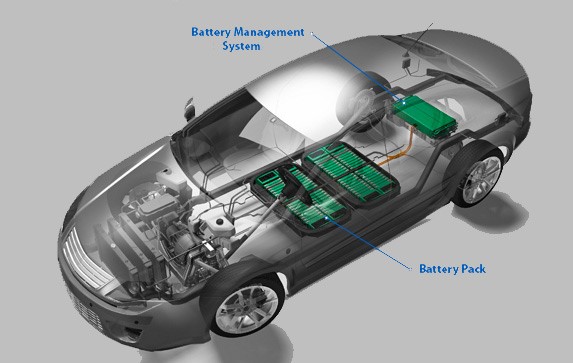
A Battery Management System is an electronic system that manages a rechargeable battery (or battery pack) by monitoring its state, calculating its secondary data, reporting that information, and controlling its environment. The BMS performs essential functions that ensure the battery operates within safe limits and maintains optimal performance.
Key Functions of a Battery Management System
- State Monitoring: The BMS continuously monitors the state of charge (SOC), state of health (SOH), and state of function (SOF) of the battery. This information is crucial for optimizing battery performance and preventing overcharging or deep discharging.
- Cell Balancing: In multi-cell battery packs, individual cells can charge and discharge at different rates. The BMS ensures that all cells maintain a similar voltage level through balancing techniques, which prolongs battery life and enhances performance.
- Safety Management: A BMS protects the battery from hazardous conditions such as over-voltage, under-voltage, overheating, and short circuits. It can trigger alarms and disconnect the battery from the load or charger if unsafe conditions are detected.
- Thermal Management: Temperature control is essential in lithium-ion batteries. The BMS regulates the thermal environment of the battery pack to avoid overheating, which can lead to thermal runaway—a critical safety concern.
- Communication: The BMS interfaces with other vehicle systems, including the Vehicle Control Unit (VCU) and the charger, to provide real-time data about the battery’s performance and health, enabling optimal energy management strategies.
Components of a Battery Management System
A BMS typically comprises several key components:
- Microcontroller: Acts as the brain of the BMS, processing data from sensors and executing control algorithms.
- Sensors: Measure voltage, current, and temperature of the battery cells to provide accurate data for monitoring purposes.
- Communication Interface: Facilitates data exchange between the BMS and other vehicle systems, often using protocols like CAN (Controller Area Network).
- Power Supply: Ensures that the BMS itself operates reliably, even in varying conditions.
Challenges in Battery Management Systems
While BMS technology has advanced significantly, several challenges remain:
- Complex Algorithms: Developing algorithms for accurate state estimation and balancing is challenging and requires sophisticated mathematical models.
- Cost and Size Constraints: As electric vehicles aim for lightweight and cost-effective designs, BMS must be compact and affordable without sacrificing performance.
- Integration with Vehicle Systems: BMS must work seamlessly with other vehicle systems, which can be complex due to varying communication protocols and architectures.
The Future of Battery Management Systems
As EV technology continues to evolve, the BMS will play an even more crucial role. Innovations like machine learning and artificial intelligence are being integrated into BMS to improve predictive analytics for battery health and performance. Additionally, as solid-state batteries emerge, BMS will need to adapt to the different characteristics of these new technologies.
In conclusion, the Battery Management System is a vital component of electric vehicles that ensures safety, performance, and longevity. As the industry progresses, advancements in BMS technology will be instrumental in optimizing battery usage and enhancing the overall electric vehicle experience.