Smart Grid Technology and IoT
Smart Grid Technology and IoT
The advent of smart grid technology has transformed the energy landscape, integrating advanced communication and information technologies to optimize the generation, distribution, and consumption of electricity. Coupled with the Internet of Things (IoT), these innovations are revolutionizing how we manage energy resources, enhance reliability, and promote sustainability.
Understanding Smart Grids
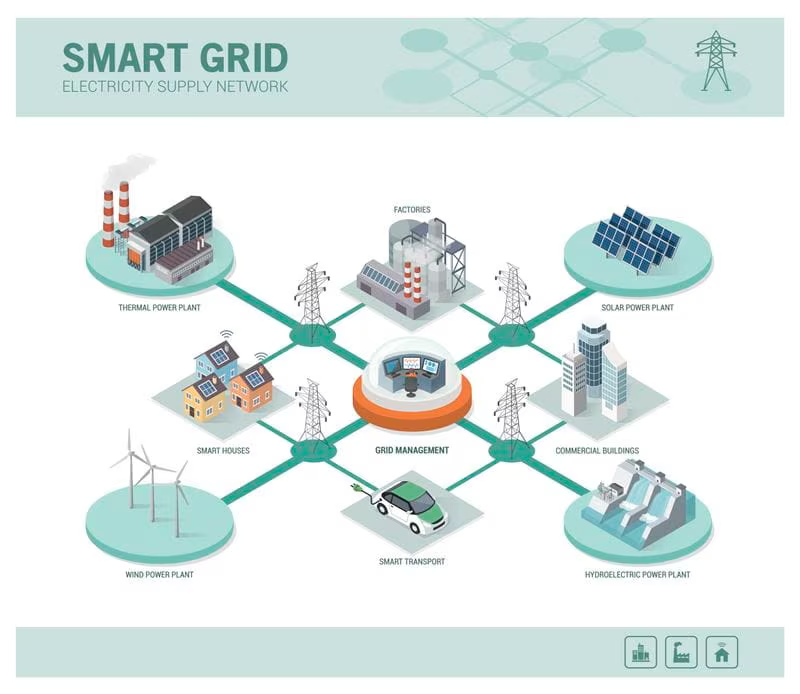
Smart grids are electricity supply networks that use digital technology to monitor and manage the transport of electricity from all generation sources to meet the varying electricity demands of end-users. Unlike traditional grids, smart grids facilitate two-way communication between the utility and its customers, enabling real-time data exchange and control.
The Role of IoT in Smart Grids
The integration of IoT into smart grids allows for enhanced automation and efficiency. IoT devices, such as smart meters, sensors, and actuators, collect and transmit data, enabling utilities to:
- Monitor energy consumption in real-time
- Detect outages and faults instantly
- Optimize the distribution of energy across the grid
- Integrate renewable energy sources effectively
Key Components of Smart Grid Technology
Smart grid technology comprises several critical components that work together to create an efficient energy system:
- Smart Meters: These devices provide real-time data on energy consumption, allowing for dynamic pricing and improved customer engagement.
- Advanced Sensors: Deployed throughout the grid, these sensors monitor performance and detect anomalies, enhancing reliability.
- Communication Networks: Robust communication systems facilitate data transfer between devices and the control center, enabling real-time decision-making.
- Energy Management Systems (EMS): These systems analyze data to optimize grid operations and energy dispatch.
Benefits of Smart Grids with IoT
The integration of IoT into smart grids provides numerous advantages:
- Enhanced Reliability: Rapid detection and response to outages minimize downtime and improve service reliability.
- Increased Efficiency: Data-driven insights enable utilities to optimize energy distribution and reduce losses.
- Cost Savings: By optimizing operations and maintenance, utilities can lower operational costs, which can be passed on to consumers.
- Environmental Impact: Smart grids facilitate the integration of renewable energy sources, reducing reliance on fossil fuels and promoting sustainability.
Challenges and Considerations
Despite the advantages, the transition to smart grid technology integrated with IoT presents several challenges:
- Cybersecurity Risks: The increased connectivity of devices creates vulnerabilities that need robust security measures.
- Data Privacy Concerns: The collection of consumer data raises questions about privacy and data protection.
- Infrastructure Investment: Upgrading existing grid infrastructure requires significant investment and planning.
Future of Smart Grids and IoT
As technology evolves, the smart grid will continue to advance, incorporating artificial intelligence, machine learning, and blockchain to further enhance efficiency and security. The convergence of IoT with smart grid technology will pave the way for more resilient and sustainable energy systems, ultimately transforming how we consume and manage electricity.
Conclusion
Smart grid technology, empowered by IoT, is reshaping the energy sector, offering a pathway toward a more sustainable and efficient future. Engineers play a crucial role in this transformation, developing innovative solutions to harness the full potential of smart grids. As we move forward, embracing these technologies will be essential in addressing the challenges of modern energy demands.