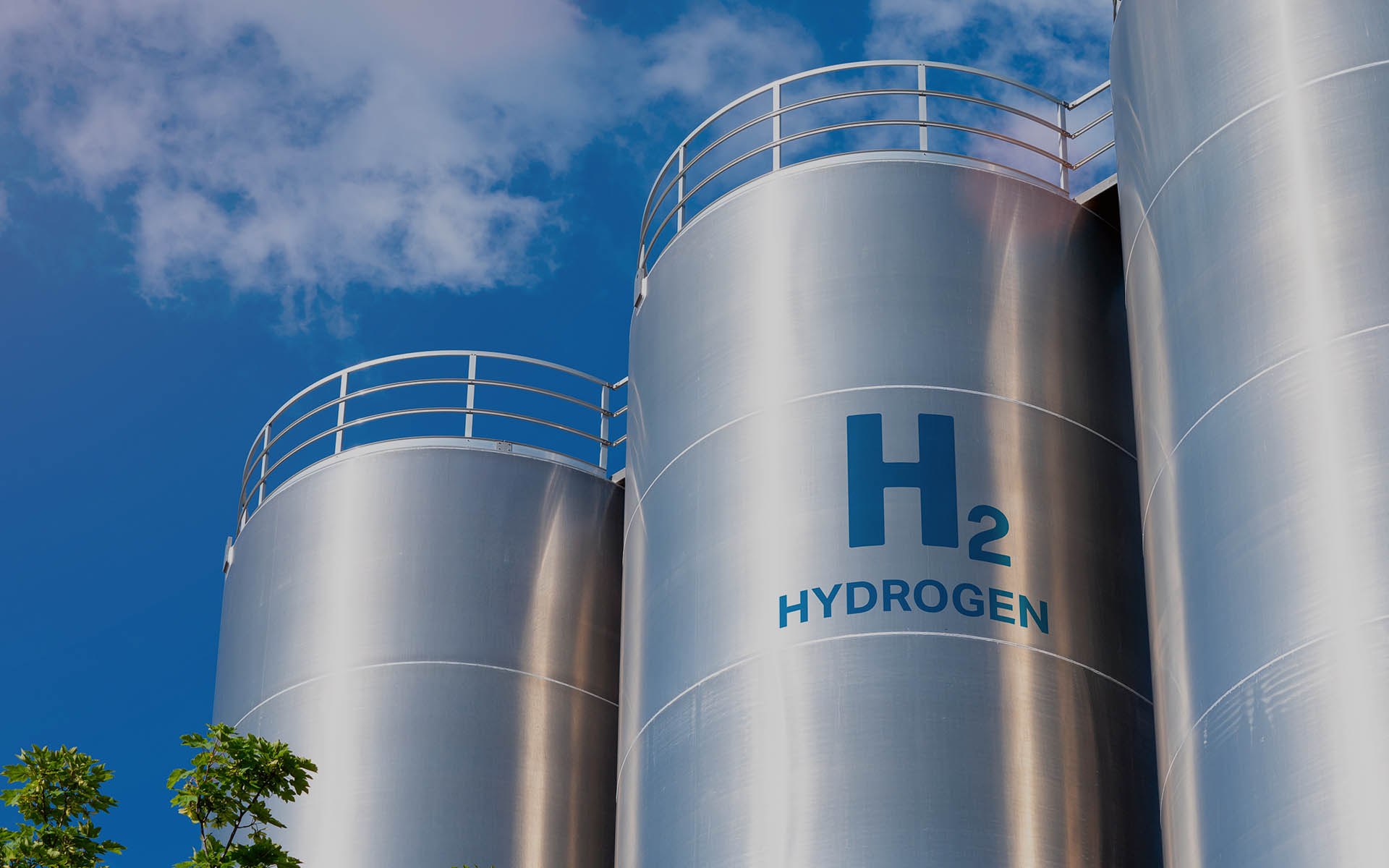
Types of Hydrogen Storage Technologies
Types of Hydrogen Storage Technologies
As the world moves towards a more sustainable energy future, hydrogen has emerged as a key player in the transition towards clean energy. Hydrogen storage technologies are critical for the effective use of hydrogen as a fuel source, enabling its transport and utilization in various applications. In this article, we will explore the different types of hydrogen storage technologies available today, highlighting their advantages and challenges.
1. Compressed Hydrogen Storage
Compressed hydrogen storage is one of the most common methods used for storing hydrogen. This technology involves compressing hydrogen gas to high pressures, typically ranging from 350 to 700 bar, and storing it in specially designed tanks.
- Advantages: High storage density and relatively simple technology.
- Challenges: Requires robust materials to withstand high pressures and can be energy-intensive due to compression processes.
2. Liquid Hydrogen Storage
Liquid hydrogen storage involves cooling hydrogen gas to extremely low temperatures (approximately -253°C) to convert it into a liquid form. This method allows for a higher energy density compared to gaseous storage.
- Advantages: Very high energy density, making it suitable for long-distance transportation.
- Challenges: Requires cryogenic storage technologies and significant energy for liquefaction.
3. Metal Hydrides
Metal hydrides are compounds formed when hydrogen reacts with metals. This method allows for hydrogen to be absorbed and stored within the metal matrix, releasing it when needed.
- Advantages: Can store hydrogen at lower pressures and temperatures, with a high volumetric density.
- Challenges: Limited to specific metals and can be expensive to produce.
4. Chemical Hydrogen Storage
Chemical hydrogen storage involves the use of chemical compounds that can release hydrogen through chemical reactions. Common examples include ammonia and various organic compounds.
- Advantages: Potential for high storage density and can be integrated into existing chemical processes.
- Challenges: Requires complex processes for hydrogen release and purification.
5. Adsorption-Based Storage
Adsorption-based storage utilizes materials like activated carbon or metal-organic frameworks (MOFs) to adsorb hydrogen molecules onto their surfaces at relatively low pressures and temperatures.
- Advantages: Lower energy requirements and can be designed for high storage capacities.
- Challenges: Still in the research phase with scalability issues to be addressed.
Conclusion
Hydrogen storage technologies play a vital role in the hydrogen economy, each with its own set of advantages and challenges. Understanding these various methods is crucial for engineers and researchers working on hydrogen applications. As technology continues to evolve, improvements in these storage methods will enhance the viability of hydrogen as a clean energy source, paving the way for a sustainable future.